
#80 Blur it
Certainty feels oppressive
Toward the end of the nineteenth century, Danish writer and mystic Johannes Jørgensen felt something shift in the air. Jørgensen (1866–1956) was a poet and essayist who slowly turned his back on hard materialism and leaned into symbolism, mysticism, and inner life. Science explained, categorised, dominated his time, but to him it also flattened experience. Everything got nailed down, over-explained, stripped of mystery. And he wasn’t alone in that feeling.
That same itch had been running through the art world too. Think Paul Gauguin, who literally packed up and left Europe in search of something more “primitive,” spiritual, and emotionally charged. Gauguin ran away from reason, facts and realism, he wanted myth and a sense of the sacred. He ditched accuracy for intensity. Not how it looks matters, it’s all about how it feels to him.
Fast-forward to now. Reason again has gotten too loud. We’re living in peak data mode. Algorithms, studies and statistics everywhere.
But trust in “hard facts” is shaky. There’s a lot of distrust towards stuff like AI. Intuition pushes back.
Certainty feels oppressive. Final answers feel suspect. They leave no room to breathe, doubt, or change your mind. When everything is presented as measurable in digits, settled and unquestionable, personal experience starts to feel irrelevant and so ambiguity becomes a form of freedom rather than a flaw. When reality feels over-explained, we start looking sideways for something softer, stranger, more personal.
Is it that that I see in the work of contemporary photographers capturing social and urban life? Their images lean into blur, darkness, grain. Nights that feel ritualistic, friendships look mythological. It’s mood-first, meaning-second.
Look at Laura Pannack, who photographs young people with a tenderness that floats between realism and dream, making everyday moments feel quietly symbolic. Or Tania Franco Klein, whose staged scenes of modern isolation feel like stills from an emotional sci-fi film . Unhinged, but based in reality.
Like Jørgensen resisting the cold confidence of nineteenth-century science, or Gauguin escaping realism in search of myth, these photographers aren’t rejecting facts outright. They’re just saying: facts aren’t enough. Sometimes truth lives in atmosphere, in color, in the half-seen moment. When the world feels too sharp, we blur it. Not just to escape reality, but to survive it.
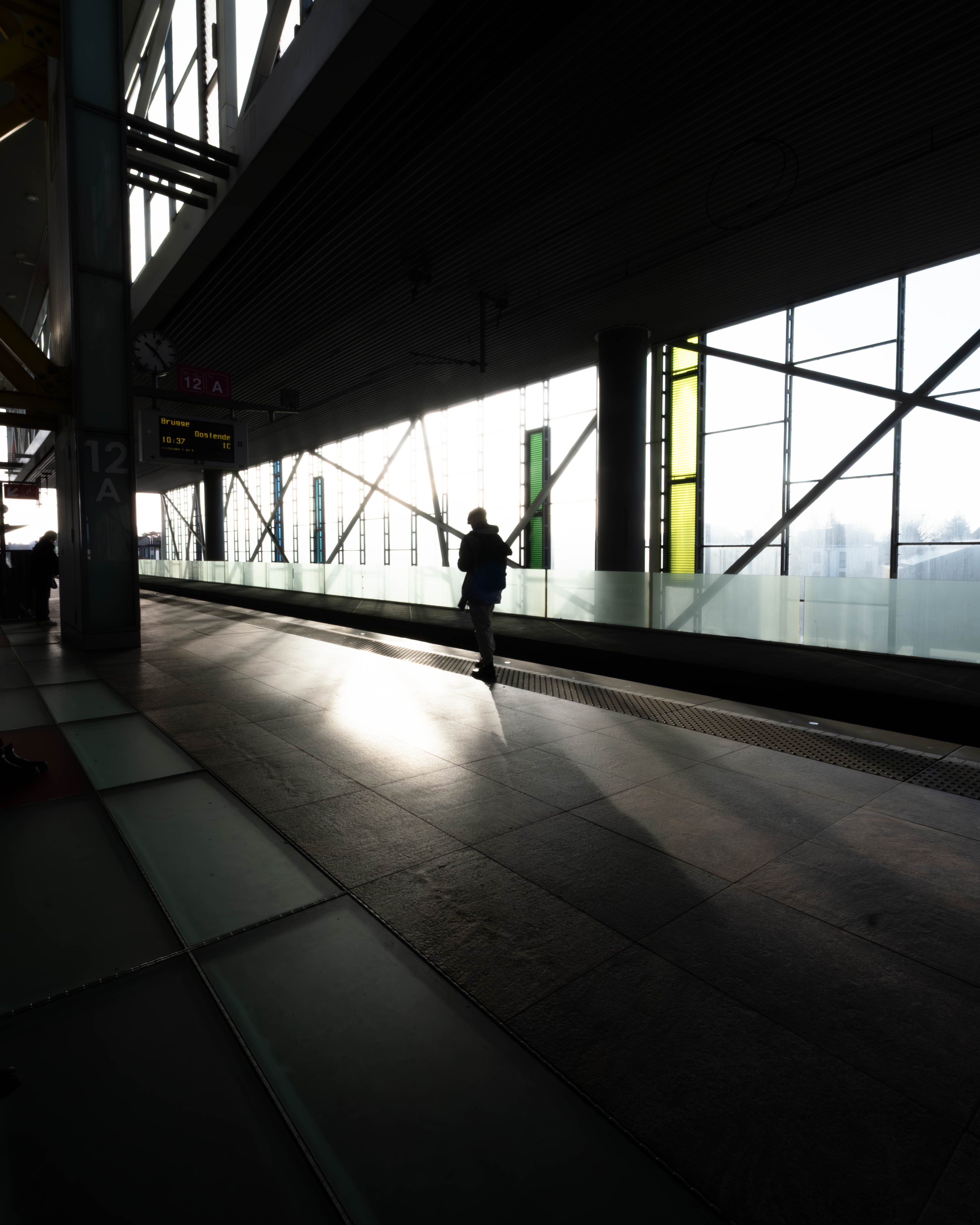
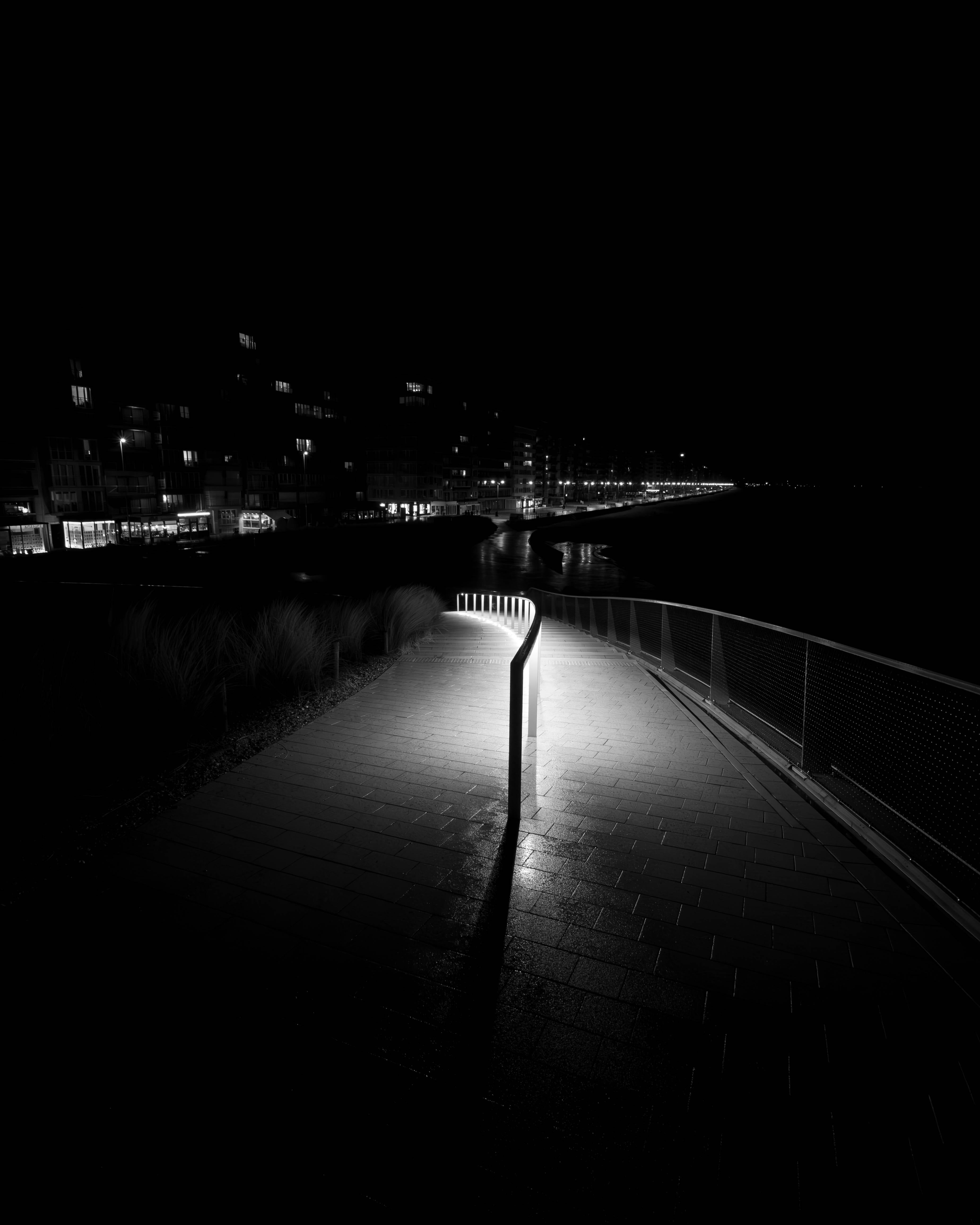
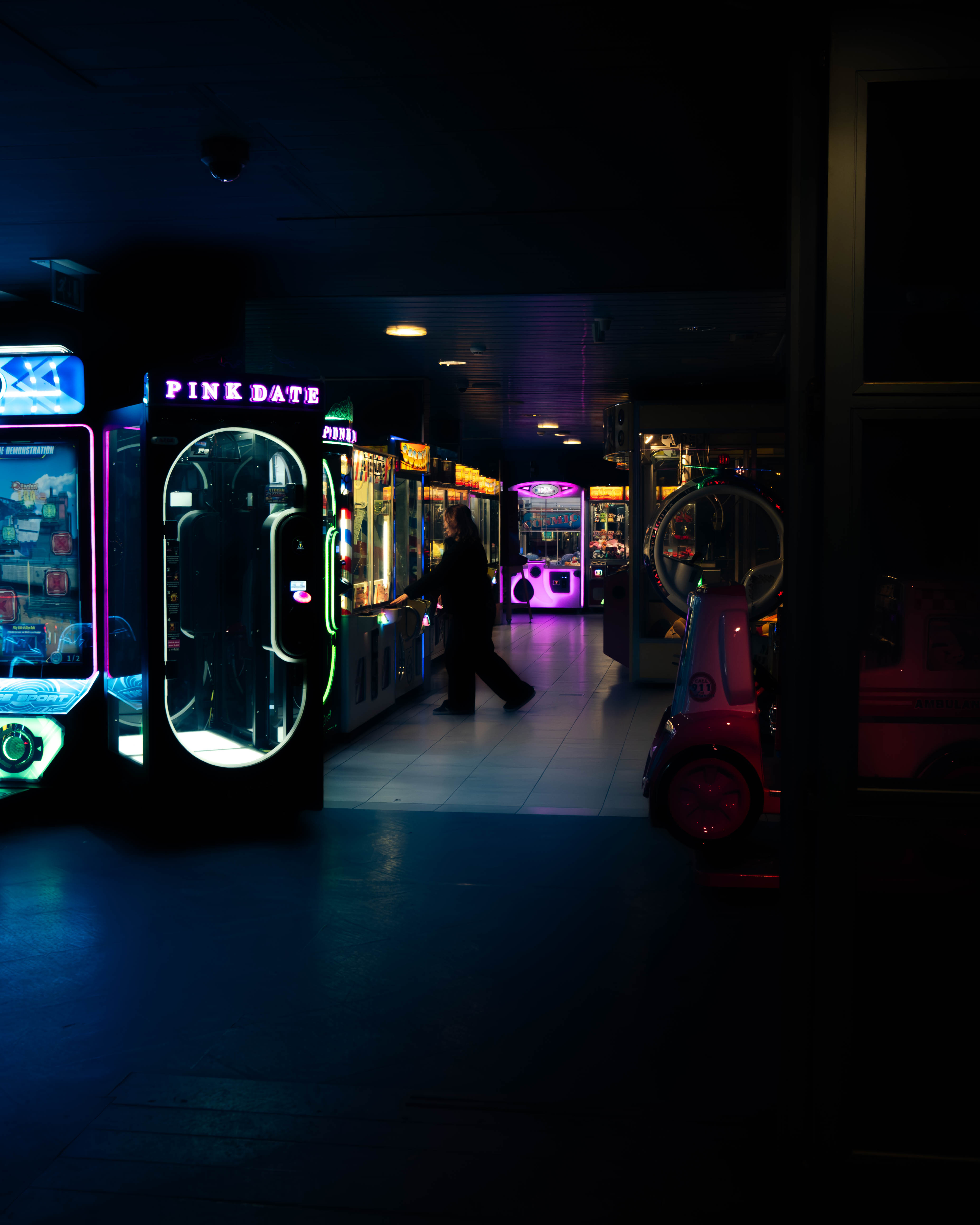
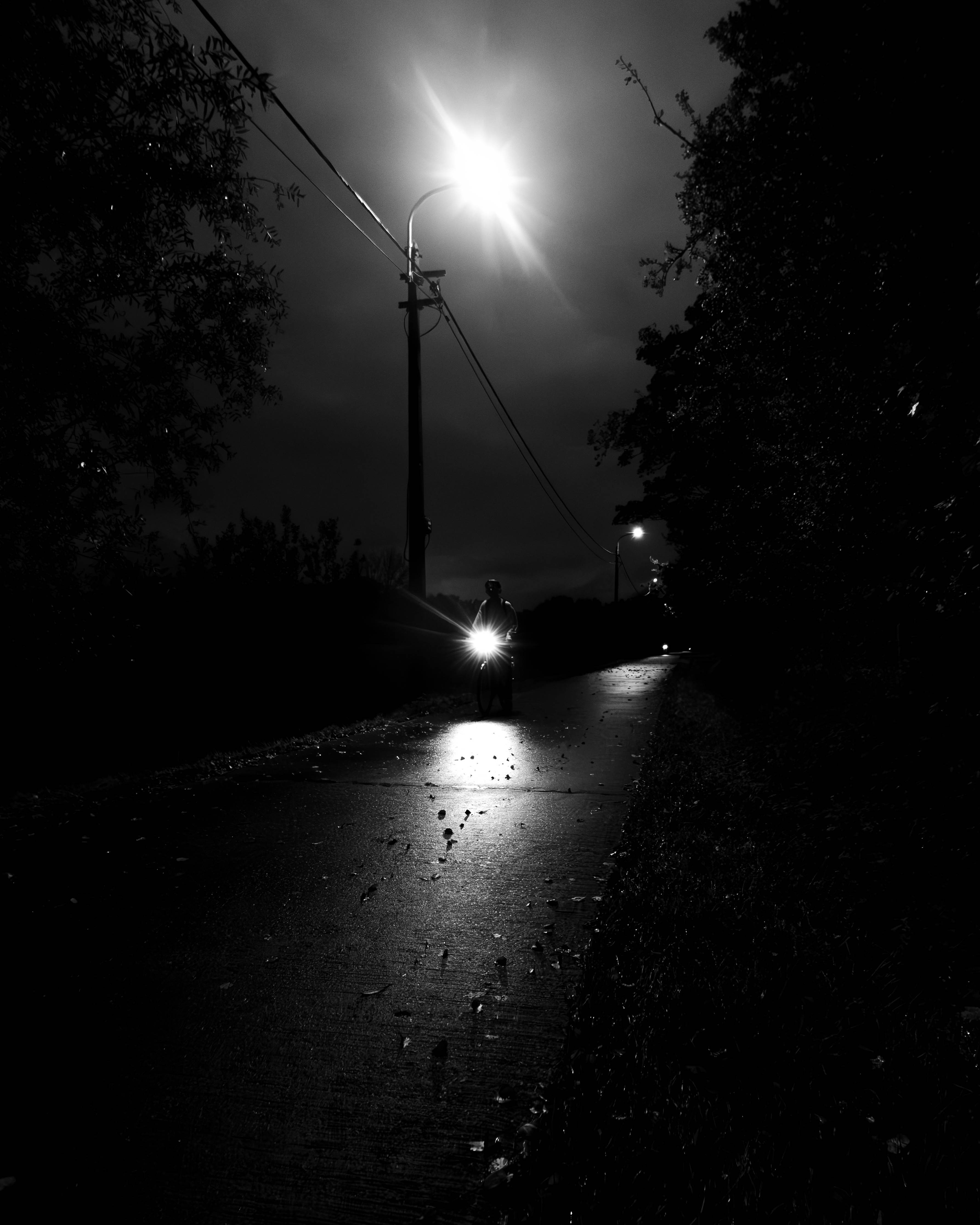
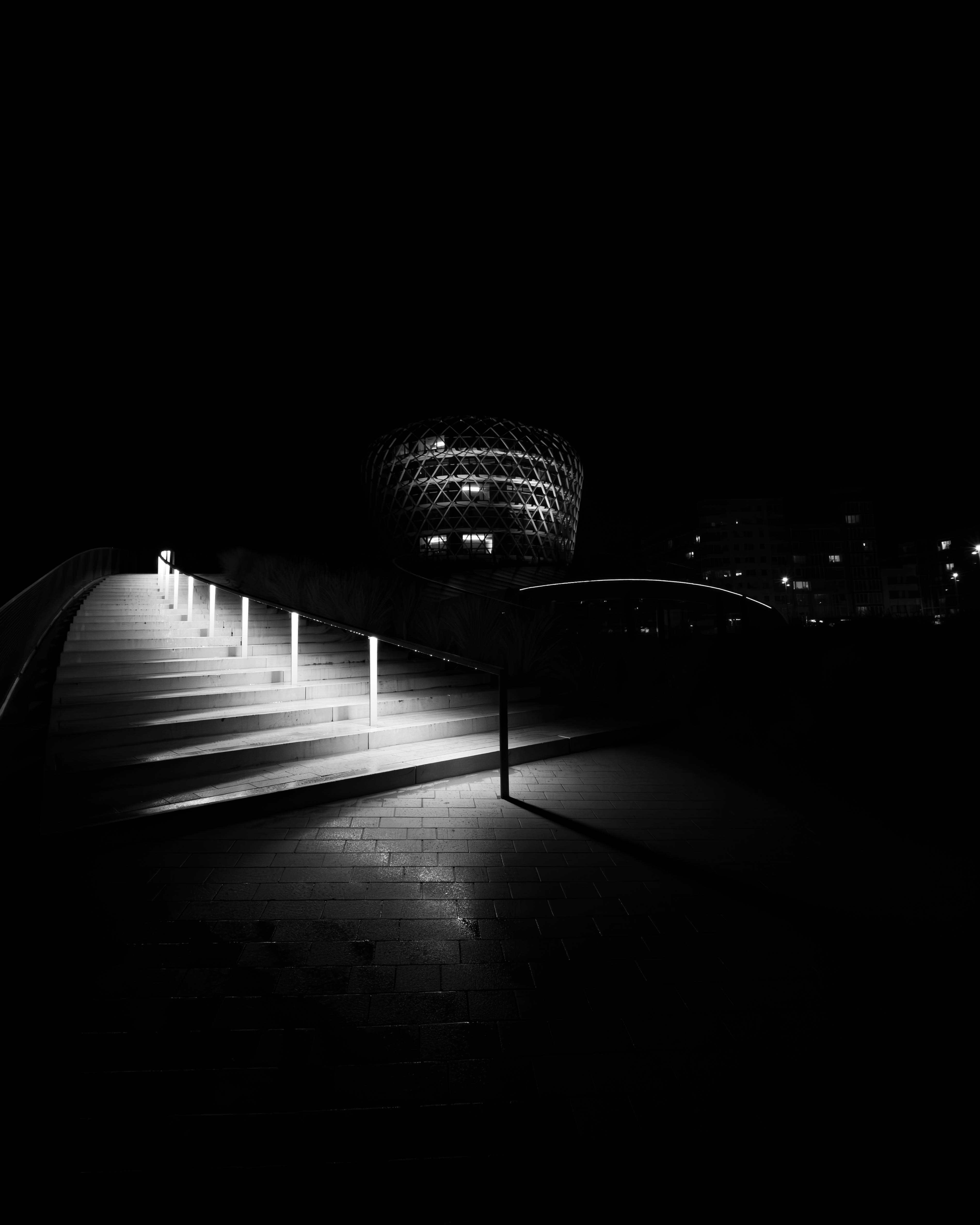
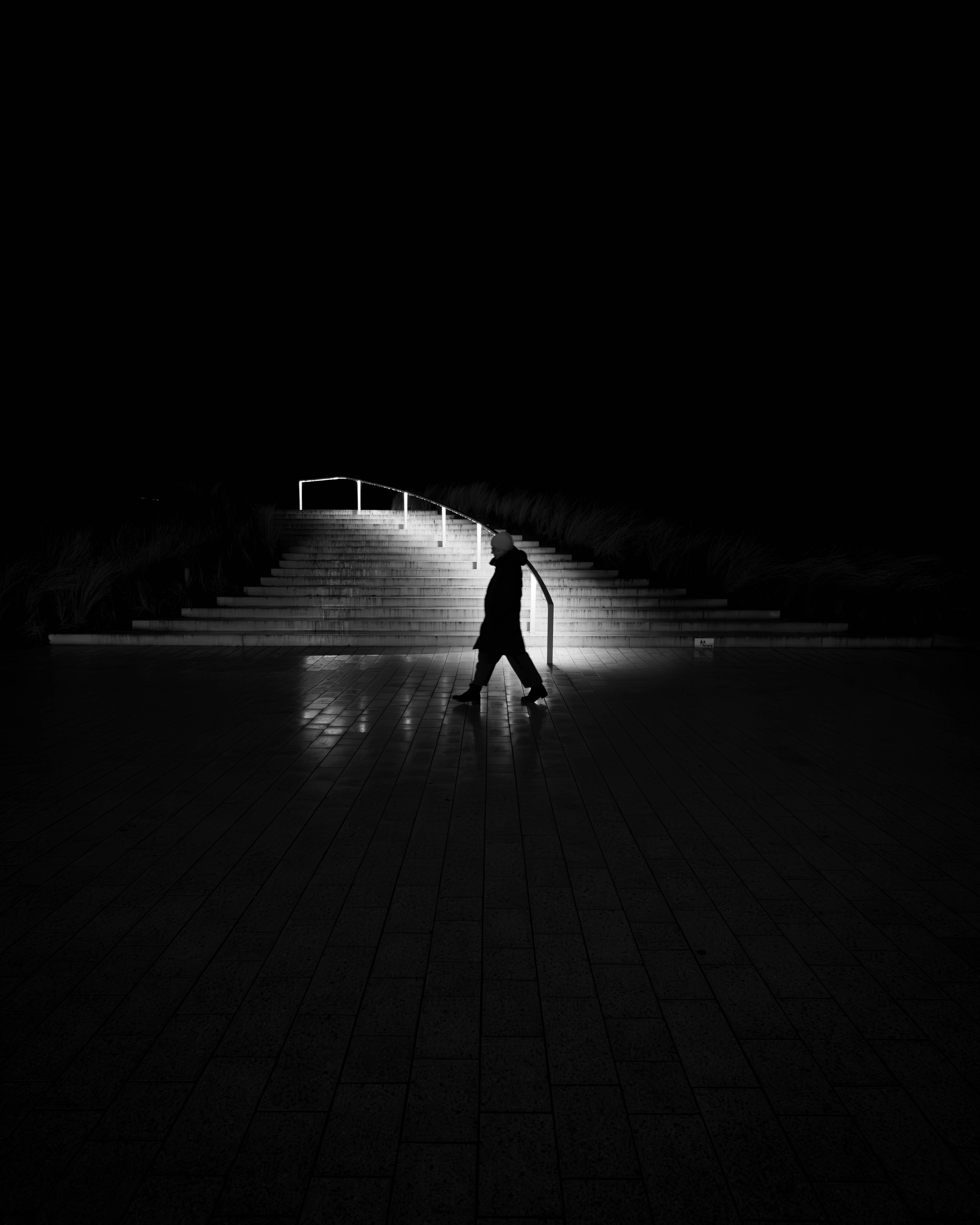
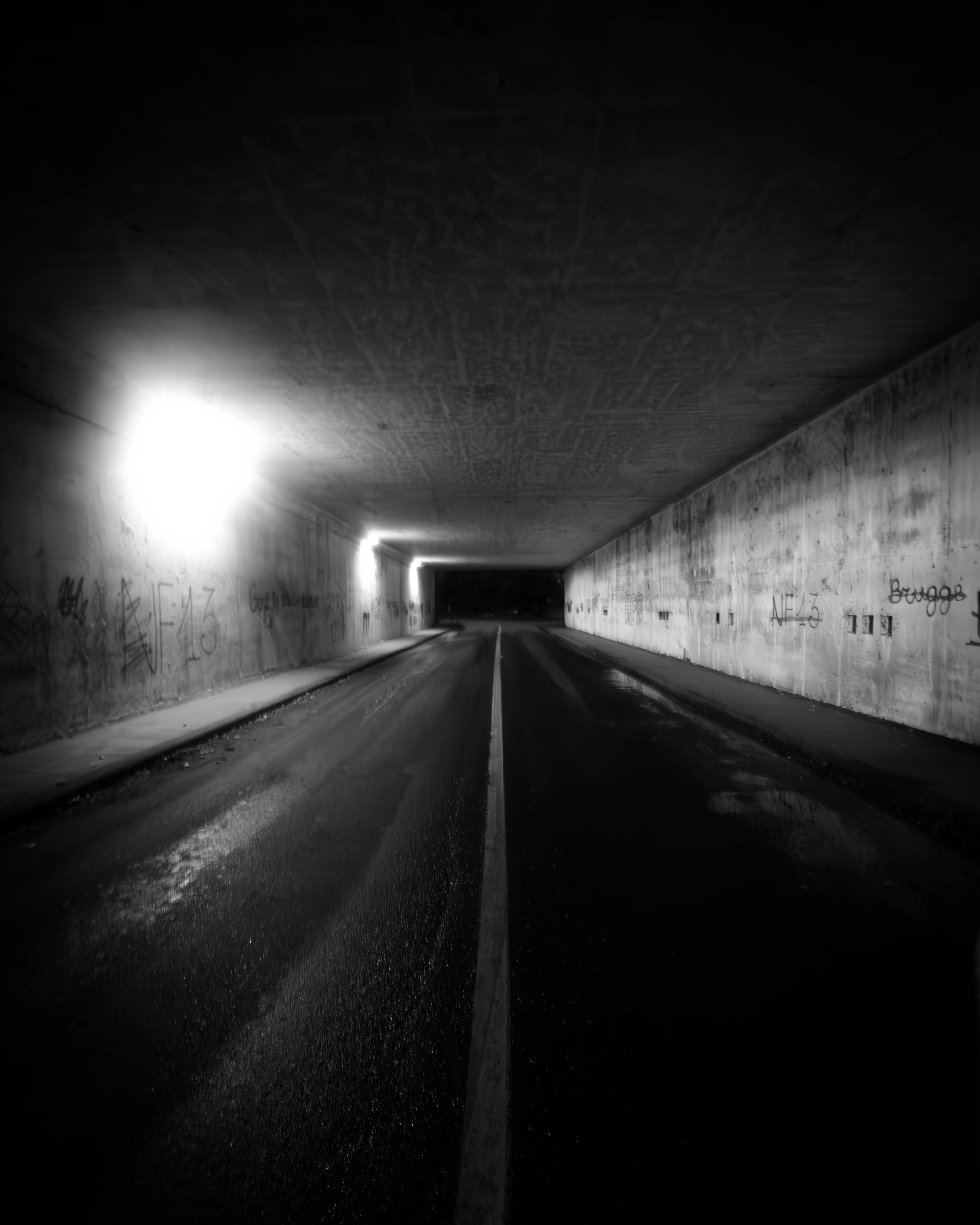
Here are a few of my photo blur(b)s.
Nice! My fav is the second-to-last image.
loooove the second one!